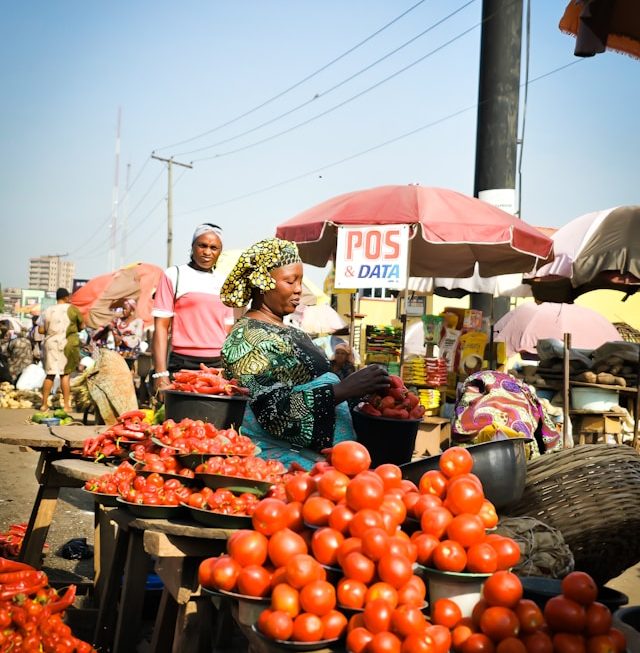





Ever since the Nigeria government removed fuel subsidy to oil marketers, Nigerians have decried its adverse effects on their daily lives. Petrol, diesel and gas are the major drivers of the Nigerian economy and increases in their prices have always caused a ripple effect to other sectors. Prices of transportation, rent, food have since skyrocketed with all Nigerians feeling the effect and having to cut back on their spending. As a result, many Nigerians are angry, frustrated and feel abandoned. In this post, we talk about the biblical perspective on fuel subsidy removal in Nigeria.
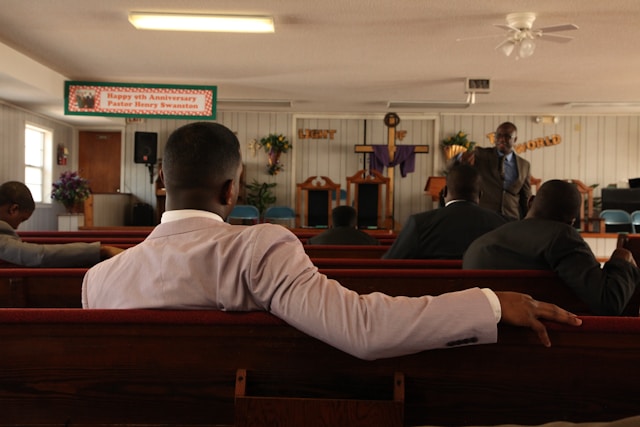
As Christians, we should understand that we are not called to ignore hardship, but to process it through the lens of the Bible. Many of the Bible characters we read about did not have it all good but they persevered through tough times spiritually, economically and politically. This post is not political commentary rather, it’s a biblical reflection on how to face national sacrifice with faith.
Table of Contents
ToggleWhat Exactly Happened with the Fuel Subsidy?
At the end of the last administration around May 2023, the government had suspended the subsidy program that had been in existence for decades after many failed attempts to discontinue it. We were not surprised when the new government decided to sustain the subsidy removal policy of the former government because it had been clearly stated in their manifesto. The arguments of proponents of fuel subsidy was that the government had failed Nigerians in the provision of basic infrastructure in all sectors and fuel subsidy was the only benefit the average Nigerian was enjoying from the federal government.
As a result of the immediate removal of fuel subsidy, prices of food commodities skyrocketed, transportation wasn’t left out either. The foreign exchange market wasn’t spared as the rate for the dollar went as high as N1700 to a Dollar. This caused widespread inflation that has affected the majority of Nigerians.

Does the Bible Speak to Seasons of National Sacrifice?
The Bible does speak to seasons of national sacrifices in both the Old and New Testaments. There are numerous examples in the Bible but here are some examples handpicked from both parts.
Old Testament Examples
Here’s some biblical perspective on fuel subsidy removal in Nigeria where we examine characters in the Bible who went through similar economic conditions. In Gen 41, we see a situation where Pharoah had a dream and Joseph was the only one who could interpret the dream. This dream led the Egyptian nation to prevent a famine by providing for the rainy day by storing grain during the year of plenty.
In Jeremiah 29, God’s people were in exile in Babylon and God commanded them to have a change in attitude towards their situation in Babylon. They were told to marry, increase in number, and “seek the peace and prosperity of the city to which I have carried you into exile. Pray to the Lord for it, because if it prospers, you too will prosper.”
New Testament Principles
In the New Testament, we have similar circumstances where people faced adversity. Apostle Paul in Philippians 4:12–13 says he says “I know what it is to be in need, and I know what it is to have plenty.”
This shows that we are not alone in Nigeria because men of faith have also experienced changing economic situations similar to what we are experiencing in Nigeria due to the removal of fuel subsidy. Apostle Paul encourages us all to be content whether in any and every situation.
Biblical Truths to Hold Onto in Economic Hardship
1. God is Still Your Provider
Always have this at the back of your mind that God is still your provider. In Philippians 4:19, it say My God will supply all your needs according to His riches in glory.”. It doesn’t say your needs would only be supplied in the times of abundance but at all times. But remember, this promise isn’t one for the supply of luxury items but for what you truly need.
2. Sacrifice Can Produce Growth
The need to cut our coats according to our size during seasons we are in due to the removal of subsidy would lead us to live simpler and more intentional live which will in turn draw us closer to God. Romans 5:3-5 says suffering produces perseverance, character and hope.
3. The Church is Called to Share Burdens
Like the early church that supported one another, this is the season for Nigerian Christians to come together to support one another. We must be intentional about this and remain careful not to fall into sin by complaining about the economy in this gatherings. Gal. 6:2 says we should carry each others’ burden and this is the best time to carry out that command.
Practical Ways to Respond as a Christian
Here are ways Nigerian Christians should respond in the face of economic hardship:
- Cut unnecessary expenses and re-evaluate your wants vs. needs. Proverbs 21:20 advises that we should cut our expenses, and save more.
- Check on others who are in need – a neighbour, a church member, your domestic staff. Share what you can.
- Pray with specificity – not just “God help us,” but “Lord, provide food for the widow next door.”
- Avoid panic and despair because God has not given us a spirit of fear. Additionally, pray for self-discipline (2 Timothy 1:7). Learn to stand on the promises of God and have faith that his promises never fail.
- Invest in Financial education- as an accountant, I’ll strongly advise Nigerian Christians to learn more about finance e.g the stock market, mutual funds etc because this is a sure way to preserve and build wealth.
What Not to Do (Avoiding Sinful Responses)
- As a Christian who follows Biblical instructions, the Bible instructs us to respect authorities and pray for them. Even though our preferred candidates may have lost an election, you should still pray for the candidate who won.
- Avoid spreading unverified news especially those forwarded messages older folks send on Whatsapp. If you are uncertain of the source of any news, do not forward it to your contact. Remember that this is the age of AI and verifying news has become harder so apply caution. Proverbs 17:9 warns against stirring up conflict.
- Don’t lose hope in God as Lamentations 3:21-23 says God’s mercies are new every morning. What this means is God can bless you enough for you to not to feel the effects of the higher prices Nigerians are faced with. Philippians 4:19 promises that God will supply all your needs according according to the riches of his glory in Christ Jesus.
A Prayer for Nigerian Christians Facing Hardship
Lord, we don’t pretend this is easy. Fuel is expensive, food costs more, and many are tired. But You are still on the throne. Provide for us – not our luxuries, but our daily bread. Help churches to share, neighbours to care, and families to pray. Give us wisdom to manage what we have. In Jesus’ name, Amen.
Conclusion
I know we are all feeling the heat of the economy as a result of the removal of fuel subsidies. Instead we as Nigerian christians are called to tighten our belts by saving more, being gracious to our neighbours and friends and avoiding cursing the government. God has brought Nigeria out of difficult seasons in the past and this time this season will surely pass. We should continue to be good examples because others should see Christ in us through our conduct and deeds.